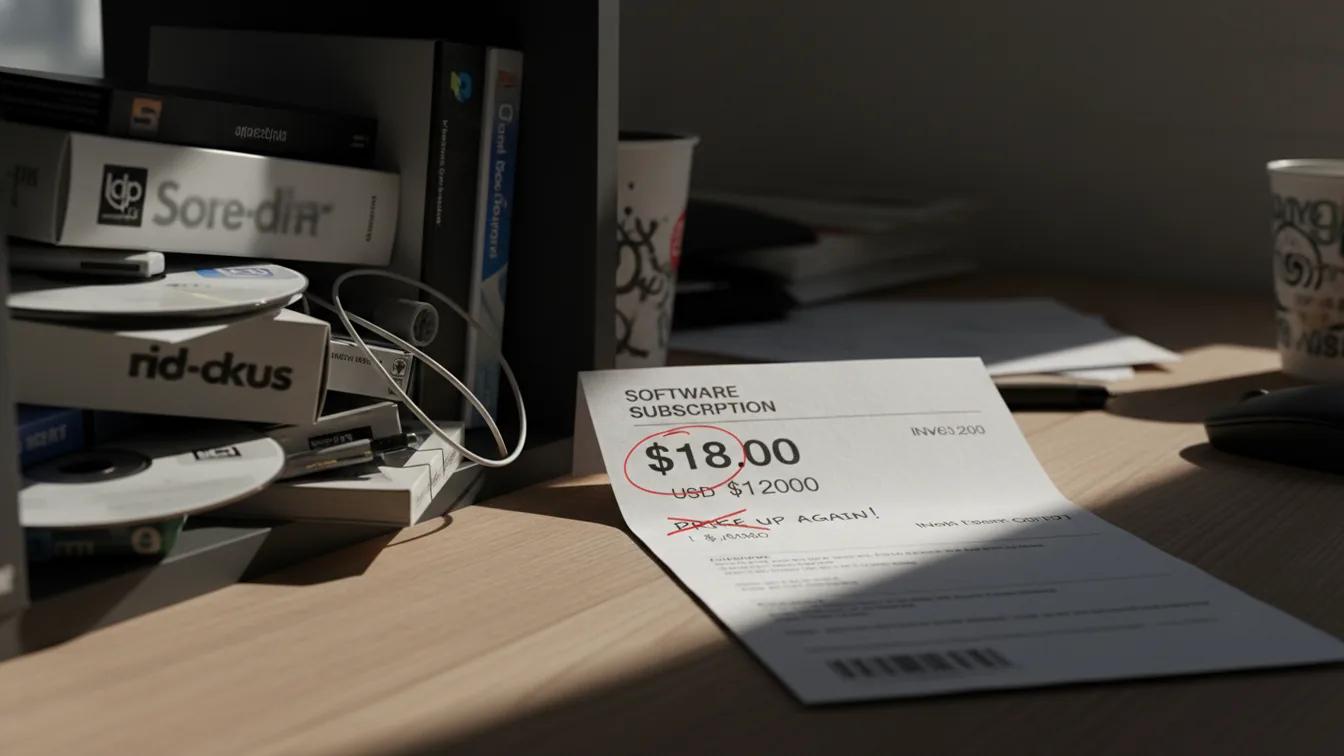
The Pattern
A product that worked becomes a product with AI features. The AI features are added. The price increases. The product gets slower. The interface gets more cluttered. The features you actually used are harder to find. You cannot turn the AI off.
This has happened so consistently across consumer and enterprise software that it now has a name: the AI Tax.
The AI Tax is the premium charged for features that degrade the product they are added to, forced on users who did not ask for them, at price points that benefit the vendor more than the user.
Why Companies Keep Doing It
AI features justify subscription price increases without requiring the company to build something users actually want. AI features generate investor attention and analyst coverage that sustain valuations. AI features allow companies to claim they are keeping pace with a market that has decided AI is the only narrative that matters.
The users who hate the AI overlay on their invoicing software, the AI-generated summaries of emails they would rather just read, the AI writing assistant that autocompletes text they were composing themselves , those users pay the higher subscription price and complain on Reddit. They rarely cancel. Switching costs are high. The product still does the core thing they need.
So the AI Tax gets added. And the product gets worse. And the price goes up. And nothing changes because the alternative is doing the migration work they have been avoiding for three years.
The Exception
Not all AI additions make products worse. The exceptions are the ones where the AI feature solves a problem the product previously could not solve at all , not a problem users did not know they had, but an actual friction point that required workarounds before.
GitHub Copilot in editors: useful for the people who use it, ignorable by the people who do not. Gmail smart reply: optional, unobtrusive, easy to ignore. Cursor: a product built around AI from the ground up rather than AI bolted onto an existing product.
The pattern that distinguishes good AI additions from bad ones: the good ones give you something new without taking away something that worked. The bad ones replace something that worked with something that works worse, at a higher price, with no opt-out.
The AI Tax is not inevitable. It is a choice. Most companies are making the wrong one because the incentives point that way.