The Number Nobody Expected
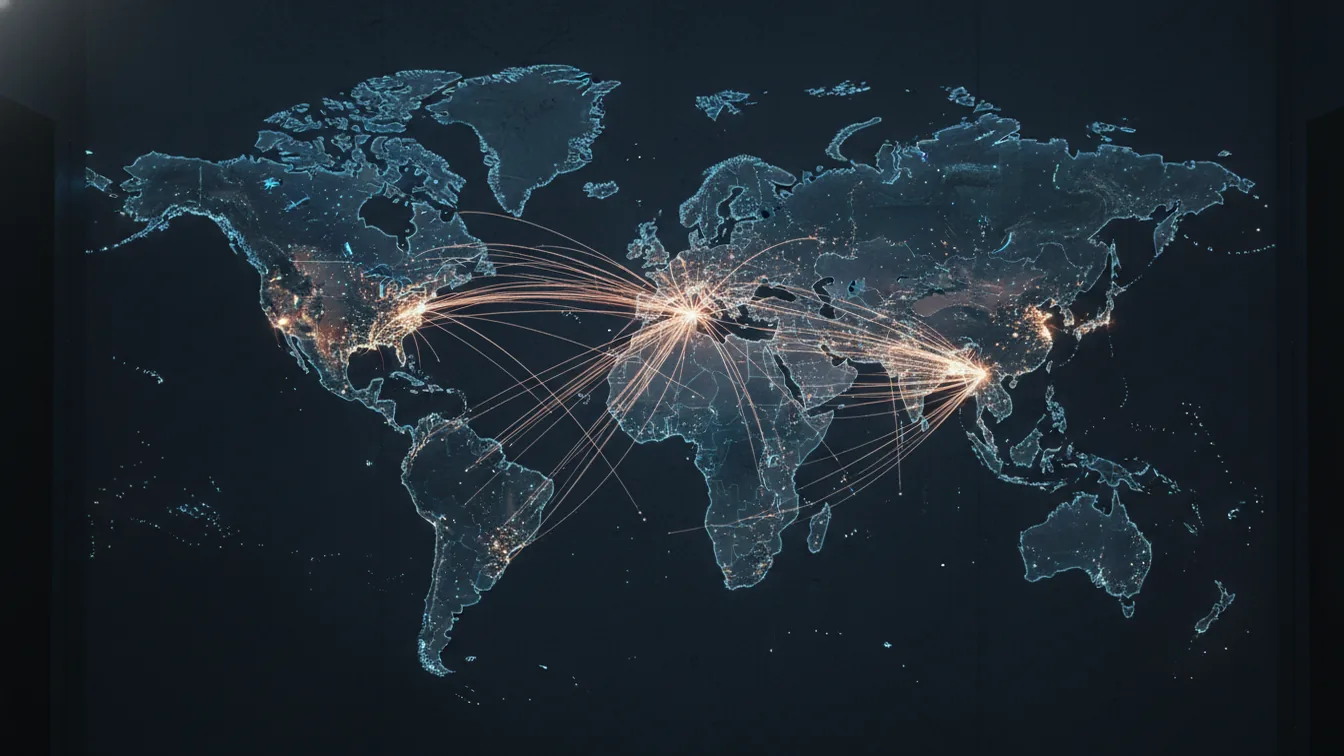
Chinese AI models went from 1% of global OpenRouter traffic in 2024 to more than 40% in 2026.
OpenRouter is the largest AI traffic aggregator , the platform where developers route real production workloads across providers. The numbers that appear there are actual usage, not marketing claims. Three of the top five models on OpenRouter this month are Chinese.
For the first time in 2025, the volume of downloads of open models from Chinese providers exceeded American providers , in the US.
The Price Gap That Explains It
Claude Opus costs 9 times more than the cheapest Chinese alternative to do the same work.
A $10 million AI budget burns in weeks on Claude Opus. It stretches nearly a year on DeepSeek. Artificial Analysis benchmarking confirmed this is not theoretical , the task quality on many common workflows is comparable.
DeepSeek V4 dropped in April on Huawei chips at 44 cents per million tokens. 1.6 trillion parameters. 10 to 50 times cheaper than GPT-5.5 for equivalent outputs.
The enterprise calculation is straightforward: if the output is the same and the price is 9 times lower, why pay the premium?
How China Got Here
US export controls cut Chinese labs off from Nvidia's best chips. That constraint became a strategy.
Without access to brute compute, Chinese researchers were forced to innovate on algorithms. The result: models that are extraordinarily efficient relative to their parameter count. "The best AI researchers in the world, because they are limited in compute, also come up with extremely smart algorithms." That is the CNBC quote from an enterprise AI buyer who has watched both sides.
Even models that are six months old , past their peak hype window , are performant enough for most of the tasks enterprises actually need done. The frontier model gap matters less than the gap in everyday task economics.
The One Moat That Still Holds
Regulated industries will not touch Chinese models regardless of price or quality. Banks, grid operators, healthcare systems, defense contractors, government agencies , they operate under compliance frameworks that make Chinese model adoption a non-starter.
That is a real and durable moat. It is also a significantly smaller market than "all enterprises."
Three American companies are moving directly into that gap: Cohere (founded by a co-author of the Attention paper, revenue 6× last year), Nvidia NemoTron (already adopted by Palantir, Salesforce, ServiceNow), and Reflection AI (raised at multibillion-dollar valuation, building open-source frontier models as an explicit alternative to DeepSeek).
OpenAI and Anthropic are heading to IPO asking investors to value them at over $800 billion each. The pitch: they have pricing power for decades. The reality: Chinese models hold 40% of the market they need to grow, and American competitors are picking off the regulated-industry segment that justified the premium.
The moat is not gone. It is smaller than the valuation assumes.