The Loop That Goes Nowhere
The thread title was "ailearninghowtocope." It hit r/ChatGPT with 21,135 upvotes in May 2026.
Most of the comments were the same. Watching AI improve. Comparing it to their own skills. Running the math on how long they had. Repeating that cycle the next week when a new model dropped.
This is the replacement fear stage. It is real, it is rational, and it produces nothing useful. You cannot outrun a capability curve by monitoring it more closely. The more time you spend calculating the distance between what AI can do and what you do, the less time you have to change what you do.
The Stage That Most People Skip
Somewhere in that same thread, mixed in with the anxiety, were comments from people who had crossed to the other side. Not by convincing themselves AI was not a threat. By changing what they were trying to be good at.
They stopped competing with AI on execution. They started directing it.
The shift sounds simple. It is not. It requires giving up the identity of "person who does the thing" and replacing it with "person who decides what the thing should be, evaluates whether it succeeded, and takes responsibility for the outcome." That second identity has no job title yet. But it is the one that survives.
What the Creative Director Role Actually Requires
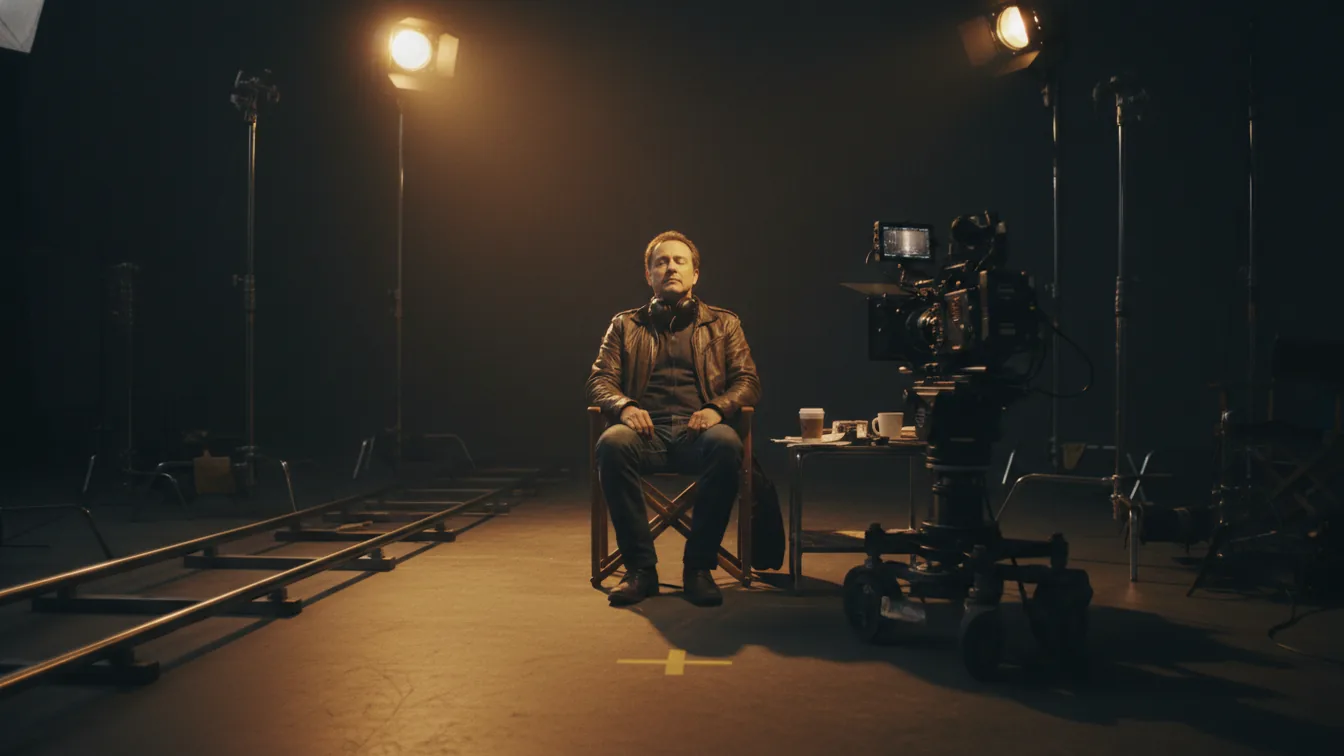
Film directors do not operate cameras. Record producers do not play instruments. Architects do not lay bricks. The person at the top of a creative process is not the most technically skilled person in the room. They are the person who holds the clearest vision of what the end result should feel like , and who can communicate the difference between what they have and what they want.
That skill is not threatened by AI. It is amplified by it. The better the AI gets at execution, the more valuable the person who knows what to execute becomes.
Three things this role requires, none of them technical:
- Taste. The ability to recognize good output from bad, relevant from irrelevant, close enough from not quite right. This is formed by experience, not by tools.
- Specificity. The ability to describe what you want in terms concrete enough that an AI can act on them. Vague direction produces vague output. The constraint is not the AI's language comprehension , it is the human's precision.
- Accountability. Willingness to own the outcome when AI does the execution. This is the thing most people are quietly avoiding, and it is the thing that separates the people who will thrive from the people who are still watching the curve.
The Identity Shift Is the Hard Part
Skills are learnable. The identity shift is harder.
Most people built their professional identity around being the person who does a particular thing well. Writing. Coding. Designing. Analysing. That identity is attached to execution , to the act of making the thing.
The shift asks you to attach your identity to judgment instead of execution. To be proud of what you directed, not just what you made. To take credit for the outcome even when you did not produce every line of it.
The 21,135 people in that thread were not short on intelligence or skill. They were short on a new frame for what their value actually is. The frame exists. The people using it are moving. The gap between the two groups is widening every month a new model drops.