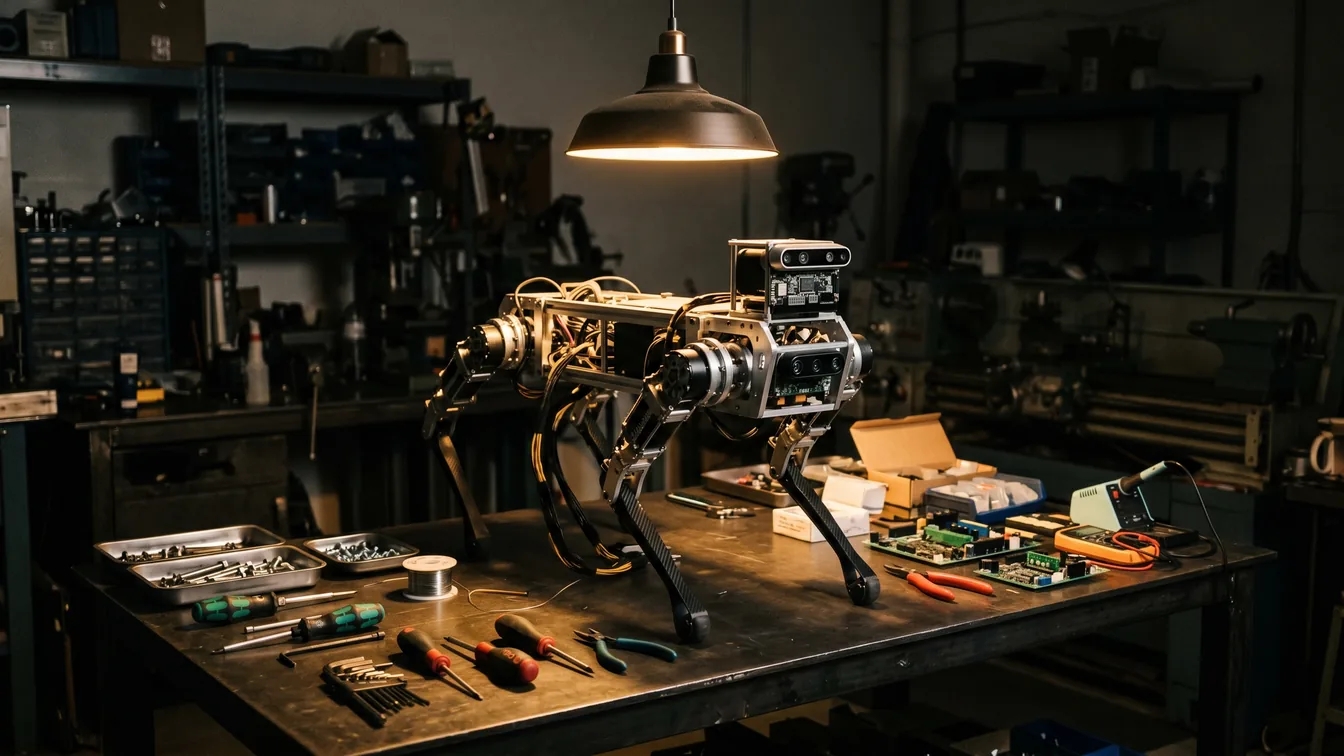
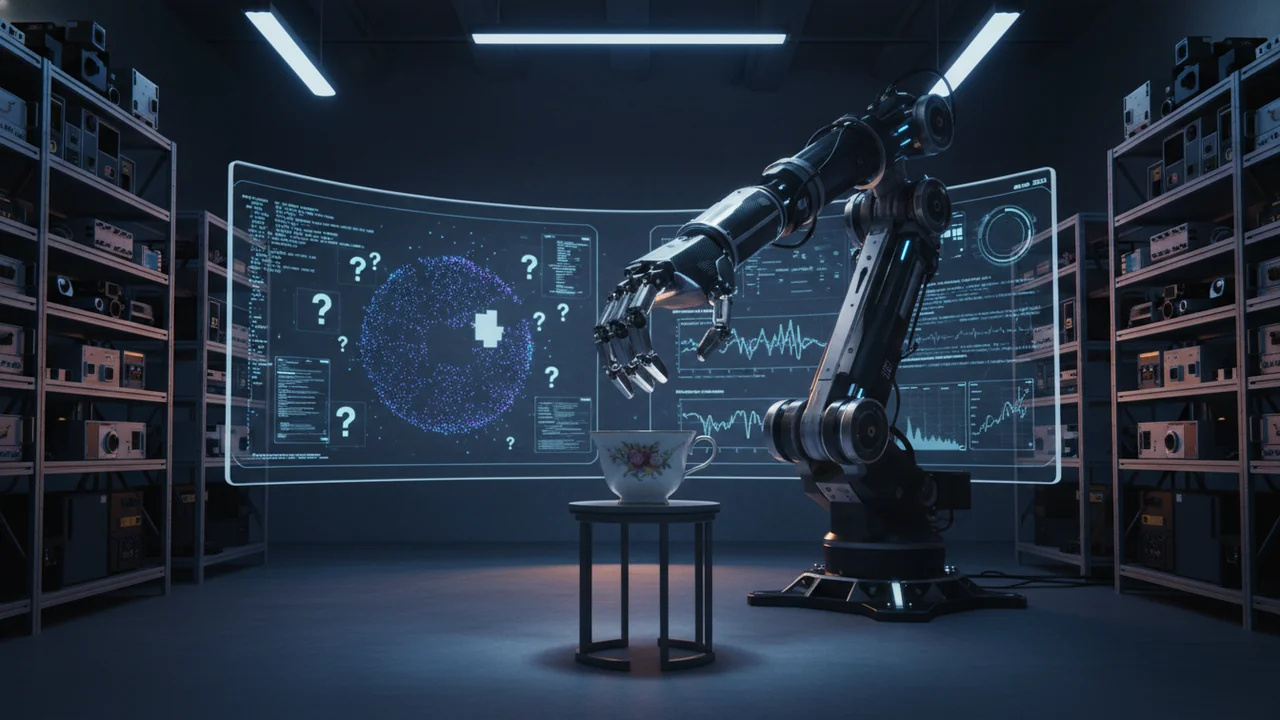
A newer entrant founded in 2025, Perceptron focuses on spatial intelligence — AI that understands the physical world rather than just text. Perceptron Mk1 (Mark One) is the flagship vision-reasoning model, trained on multimodal data with heavy weighting toward 3D scene understanding, robotics simulation trajectories, and embodied environments where the model has to reason about object permanence, depth, and physics.
The pitch is AI for the layer below chatbots. Where general-purpose multimodal models like Gemini and GPT-5.5 do okay on visual tasks, Mk1 is purpose-built for spatial relationships — depth estimation from a single image, converting visual scenes into structured plans, video understanding with action-prediction baked in. The natural customer is robotics, AR/VR, and any system that needs to map the physical world rather than describe it.
The catch is that Perceptron is early. The dataset, the benchmarks, the product surface, the customer base — all are at early-stage scale. Whether spatial intelligence ends up being its own category or just a capability that frontier multimodal models absorb is the existential question. For now the technical lead in spatial-specific tasks is real, and the use cases that require it are growing.